Show summary Hide summary
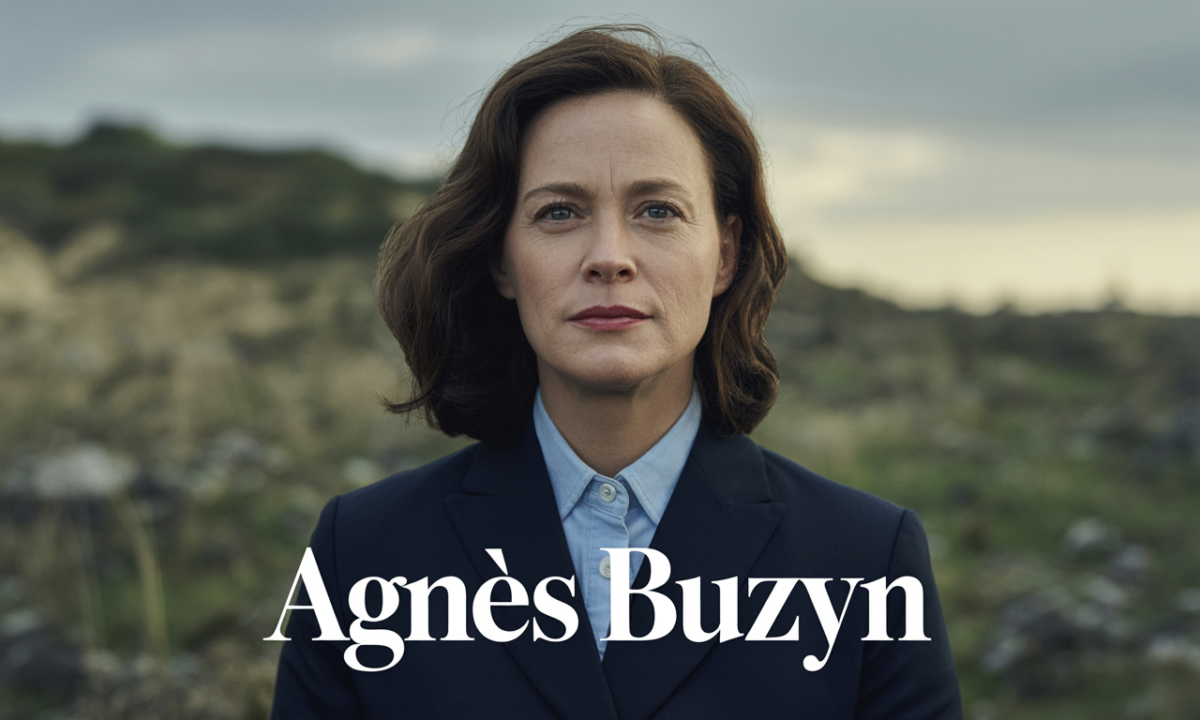
You surely know Agnès Buzyn, that essential figure who has marked French politics, especially in the field of health. Born on November 1, 1962, in Paris, she has gone through many storms after a rich and complex journey. Oh, and her age? Yes, she is over sixty, but she has not been idle.
I remember when she was very young, already immersed in sciences, far from imagining that she would become a minister. Her stature in the medical field was frankly something else, with a seriousness that impressed without being cold. You could feel that thing in her, that desire to shake things up.
When she arrived at the Ministry of Health in 2017, we did not suspect that it would be a big leap into such a chaotic era. Between the pandemic, agricultural crises, and debates around sciences, her wealth of experience was going to prove crucial. And you know what? She didn’t stop there.
Alongside that, Agnès founded Évidences, her think tank to defend science in an increasingly skeptical world. No wonder she insists on the dialogue between science and society, especially when you see the mess of recent crisis management. You’ll see, her trajectory is fascinating.
Agnès Buzyn: a rising star in the world of health and politics
So, who really is Agnès Buzyn? First, she is a woman of conviction, born into a family of doctors. In terms of public identity, she has always carried this image of a committed scientist who does not give up. Her journey is a mix of medicine, research, and political battles, a rather unique cocktail.
Before becoming minister, she was mainly known in the hospital and academic world, specialized in hematology. It was at the heart of her studies and research that she made a name for herself, even leading the National Institute of Health and Medical Research. A position that obviously opened the door to politics for her.
The beginnings of a vocation: Agnès Buzyn young and ambitious
Young, she was already the daughter of an orthopedic surgeon and a psychologist, so health was in her DNA. Her age never held her back, on the contrary, she had that typical energy, somewhat overflowing. What is often forgotten is that her commitment didn’t start with politics, but during her years at the hospital and university.
It’s interesting because she crossed a threshold when she moved to public life, juggling her medical career with this highly exposed political role. Not easy to manage all that, especially facing a crisis like Covid-19, where every decision weighed heavily.
Career and major successes of Agnès Buzyn: when science meets politics
Her time as Minister of Solidarity and Health was intense. She notably led the fight against health inequalities, which was not an easy task. You know, the kind of battles that don’t always make the headlines but seriously shake up the system.
Her age and wealth of experience allowed her to face the storm of the pandemic. And when she declared war on Covid in March 2020, it wasn’t just a phrase; she truly wanted things to move. Well, afterwards, criticism flew, especially on sometimes late management. But frankly, who could have been fully ready?
Agnès Buzyn also played a crucial role in the nodular dermatosis crisis, reminding that the lessons of Covid had not been learned. She insisted that science must be anchored in society with respect and pedagogy. A way of saying that decisions can’t just be imposed; there needs to be dialogue.
Private life and anecdotes about Agnès Buzyn
Agnès Buzyn’s private life has often remained discreet. She is married and has children, which explains a bit the complexity of managing family life with such a demanding career. We sometimes see snapshots of her daily life, away from the spotlight, and frankly, I find that touching.
An anecdote that always makes me smile is when she wanted to run in the municipal elections in Paris in 2020. She left her ministry for that—a risky bet she ultimately lost. It shows well that she does nothing halfway, even if it means taking risks or accepting defeat.
Recent projects and committed stances
Since 2022, Agnès Buzyn has turned away from active politics to preside over her think tank Évidences. She works there on the crucial place of science in society, facing the rise of conspiracy theories. And you know what? Her work is increasingly recognized in 2026.
She remains very present in the public debate, notably on sensitive issues like health or agricultural crises. Her calls for respect for science and social dialogue resonate, especially when she mentions the impacts of climate change on health.
She collaborates with well-known figures from the medical and political world, always with the spirit of progress. By the way, she refused to support Rachida Dati for the Paris municipal elections in 2026, proof that she keeps her convictions intact.
- 🌱 Defense of science against misinformation
- 🩺 Focus on preparation for health crises
- 🤝 Call for peaceful dialogue between politicians and scientists
- 🌍 Raising awareness of the effects of climate change on health
What does Agnès Buzyn’s wealth of experience bring to the public debate?
Frankly, her wealth of medical and political experience brings real added value to the debate. She doesn’t just give opinions, she proposes solutions and especially insists on ethics and scientific rigor.
You can feel that despite her age, she keeps an intact passion for public health, and that she knows the road is still long. What she often reminds us of is that the size of the challenges we face is growing, and it always requires more collective lucidity.
I admit it’s crazy to see how much she remains the voice of reason in some heated debates, especially when it comes to combining health and society, economy and ecology. A remarkable lesson in commitment.
Some key reminders about Agnès Buzyn
- 🎂 Born in 1962 in Paris
- ⚕️ Hematologist doctor by training
- 🏥 Former Minister of Health from 2017 to 2020
- 🧠 President of the think tank Évidences
- 🏛️ Strong commitment in major health crises
To know more, you can check this article on attacks against science according to Agnès Buzyn or this analysis of her impact on public health. And since we’re talking about agricultural crisis, take a look at this testimony where she advises the government.
Finally, her clear-sighted view on the management of health crises is particularly enlightening, as seen in this article where she laments that the lessons of Covid were not really learned.