
Show summary Hide summary
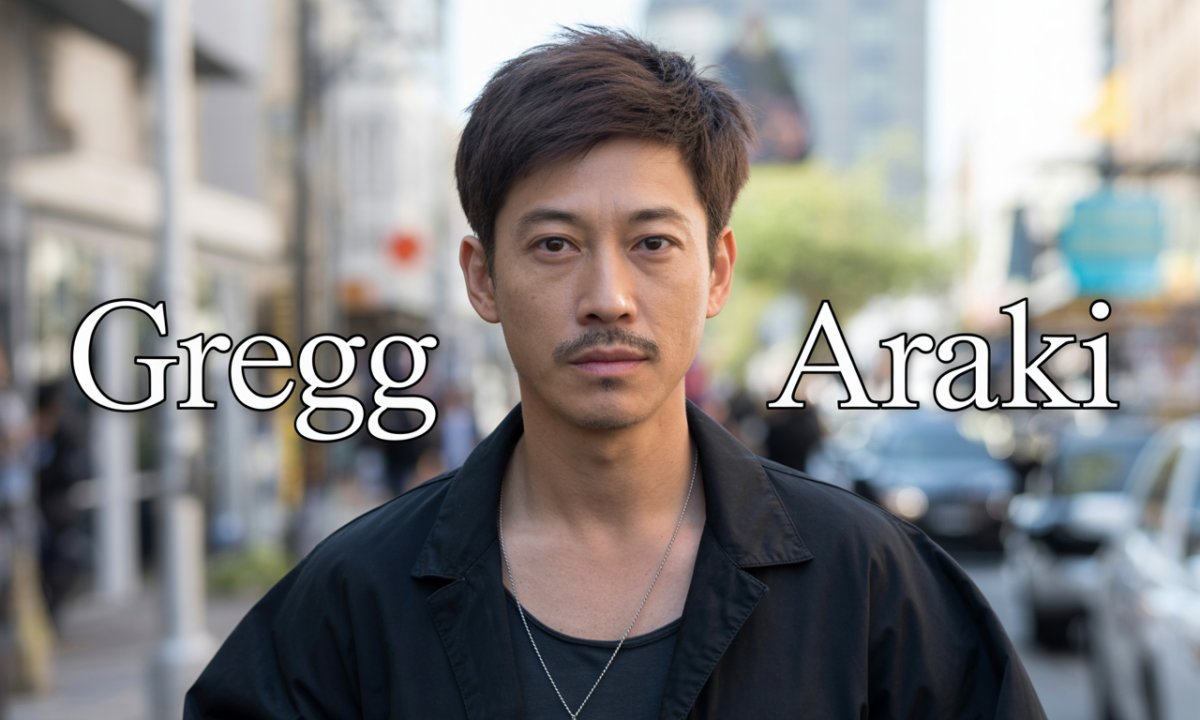
Gregg Araki is a name that might ring a bell if you have ever dived into somewhat daring independent cinema, the kind that shakes things up. Born on December 17, 1959, in Los Angeles, he is now over 60 years old, but his work remains as young and fiery as when he started. His stature in the film world is impressive, even though he has always kept a rather low profile.
You have to say that his destiny wasn’t predetermined. The son of Japanese immigrants, he grew up in Santa Barbara, away from the spotlight, but with an overflowing passion for visual arts. At 10 years old, he was already scribbling stories and devouring comics, a true young dreamer who saw images differently. Sometimes he even thought about becoming a veterinarian, but ultimately it was cinema that captured him.
His beginnings were made in Californian colleges, first in Santa Barbara then at USC. And there, he tinkered, experimented, made short films. He built his idea box in his head, creating a style all his own, raw and sincere, sometimes disturbing but always intriguing. He debuted with “Three Bewildered People in the Night,” a film with a dark and minimalist feel, shot very small, very simple.
Very quickly, he became the voice of a marginalized youth, especially with “The Living End” in 1992. A film that hits hard, about two lovers who are HIV-positive. We weren’t used to that, at least not so upfront. Gregg Araki is the guy who shocks, stirs, makes you think. His fortune in Hollywood isn’t measured in millions, but in impact, and do you really think his age in the job counts when you see his energy?
Gregg Araki: an American director who marked independent cinema
It’s important to understand who Gregg Araki is to grasp the scope of his career. This director born in Los Angeles comes from an American-Japanese family, which certainly nourished his unique perspective on the world. Very young, he was interested in creation, spending hours devouring comic books and films, a true enthusiast.
His age, in his forties when he reached a broader audience, makes his journey even more remarkable because he started to shine in a pretty tough industry. He combines his cultural heritage and obsession with taboo topics, which shapes his style, often linked to New Queer Cinema. You can find his full biography on Wikipedia or even a detailed review of his films on Cinenode.
Before fame, look at his path: studies in Santa Barbara, then USC, he had the tenacity of a young creator who wants at all costs to tell stories that matter. These first steps in shorts that were not glamorous at all allowed him to refine his world, between undead youth and disillusionment.
To go further into detail, his professional beginnings include that famous 1987 film, “Three Bewildered People in the Night,” a raw, handmade thing that established him in the indie circuit. Want to know more? Take a look at portals like Première or his IMDb page where his filmography is very complete.
A career full of films that disturb and fascinate
What impresses about Araki is how he forges his path without compromise. In the ’90s, he became the emblematic figure of cinema that talks about sex, identity, and apocalypse through youth. His films are a bit like a funhouse mirror on society, sometimes cruel, often poetic.
Some must-see titles? There is “Totally F*ed Up” that dives into the damaged lives of teenagers in Los Angeles, then “The Doom Generation,” an explosion of violence and despair in 1995. And then “Nowhere,” or the poignant “Mysterious Skin” in 2004, an extremely moving film about sexual abuse and its consequences — it’s a real gut punch.
In “Kaboom” in 2010, he explored science fiction and comedy while staying true to his queer themes, which earned him an award at Cannes. The guy, frankly, does not lock himself into a single genre, he is capable of total reinvention without ever losing that apocalyptic and subversive vibe. For a full list, you can check Cinetrafic.
It should also be noted that despite everything, Araki’s fortune has never been measured by blockbusters. He made his films with a small budget, but great freedom. That is the true strength of his style: a cinema that does not bend to the rules, that keeps its youth, despite his age and the years.
Gregg Araki’s private life: discreet but committed
Araki, in real life, keeps a veil over his personal life, but we know he is openly queer. This authenticity, he transcribes it in his films with raw honesty, which hits the mark year after year. It’s not just cinema, it’s his way of existing publicly.
We know he is very involved in defending LGBTQ+ rights. He has also collaborated with musicians he loves, giving a real pop and rock identity to his soundtracks. This mix of visual and sound art makes his works so unique, almost cult for those lucky enough to discover them.
Gregg continues today to live in Los Angeles, breaking new ground with projects between films and TV shows, which shows that at over 60 years old, he does not intend to slow down. His privacy remains a mystery, but his passion and tenacity speak for him, which may ultimately be stronger.
If you want to follow his latest news, interviews, or reflections on his work, his official page or his profiles on social media are fairly good sources, like this recent interview on Têtu.
Little anecdotes and current projects of Gregg Araki
One thing that always struck me is his film “Nowhere” where he inserts a completely crazy, almost offbeat atmosphere, and where we find James Duval, his favorite actor — the latter appears in many of his works, a bit like a signature. You should not underestimate this kind of collaboration, it often means a real shared universe.
He also has this jack-of-all-trades side since he worked in the United States and even in France, “Kaboom” being proof. This film is a weird adventure, an unlikely mix of comedy and science fiction in a university setting. Not very mainstream, yes, but so typical of Araki.
In 2014, “White Bird in a Blizzard” had its little moment of glory, it’s a bit of a turn toward more mainstream cinema while remaining very faithful to his obsessions. This film highlights his talents as a writer but also as a director capable of exploring different facets of youth.
Currently, he is working on several projects combining television and cinema, with a strong desire to continue giving a voice to minorities and marginalized people, a true pioneer. For more details on his career, filmography, and projects, you can visit Cinefil or the excellent Deauville Festival website.
- 🎬 Three Bewildered People in the Night (1987): an experimental gem that launched his career
- 🌈 The Living End (1992): pioneer of New Queer Cinema
- 🔥 The Doom Generation (1995): underground shock and smeared aesthetics
- 🎭 Mysterious Skin (2004): heart-wrenching, deals with heavy topics
- 🚀 Kaboom (2010): queer award at Cannes and a new direction