
Show summary Hide summary
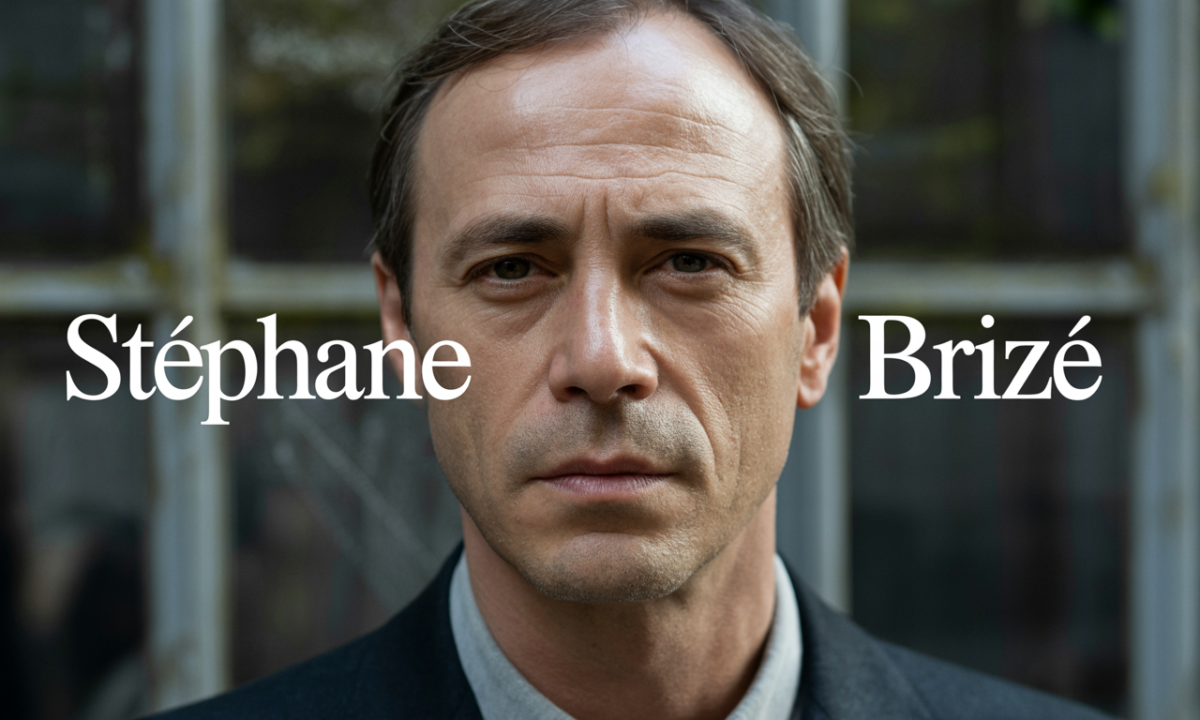
- Who is Stéphane Brizé, this French director with such a striking gaze?
- Stéphane Brizé, the young technician turned master of social framing
- The major stages of Stéphane Brizé’s career, between favorites and public successes
- The private life of Stéphane Brizé and his current projects
- The place of Stéphane Brizé in contemporary French cinema
Stéphane Brizé, born on October 18, 1966, in Rennes, is a French director we’ve been following for quite a while. Honestly, his journey is not just a series of films; it’s a true reflection of what he lives and feels. And his age? Well, he’s over 50, which gives him a depth you can sense in every shot.
His style is unique, a subtle blend of poetry and raw reality, with a human touch that few manage to convey. You’ll see, his filmography is impressive in size, but that’s not what matters; it’s what’s behind it. Fortune? It doesn’t matter, he prefers to speak about emotions and experiences.
Wondering how a guy who started younger in electronics ended up on movie sets? It’s quite a path, between TV and theater, before moving behind the camera. His private life is discreet, but we know he’s a man deeply attached to his roots and loved ones.
So get ready, because there are anecdotes, little secrets, and fresh projects showing that Stéphane Brizé isn’t done surprising us or moving us. Come on, we’re taking you on this adventure!
Who is Stéphane Brizé, this French director with such a striking gaze?
Born in Rennes in 1966, Stéphane Brizé first took a detour through electronics before settling in Paris to dive into the world of television. This atypical path reflects a very down-to-earth, almost tactile curiosity that shines through in his films. His cinematic identity is marked by powerful social realism and a particular attention to humans and their struggles.
So, if you’re looking for a guy who makes films just to shine by fortune, he’s clearly not him. His childhood, his experiences as a young man—all of that fuels his cinema more than any desire for status. This intimate connection with his stories is what makes his work so vibrant.
Reviewing his filmography on Allociné or his profile on IMDb gives a good idea of his diversity. Somewhere, his films feel like conversations—unvarnished, sincere.
He’s been recognized for films that probe society with rare accuracy. His fame might not be colossal in Hollywood, but in France, this guy is a reference for those who love cinema that speaks about the world.
Stéphane Brizé, the young technician turned master of social framing
Before dedicating himself to cinema, Stéphane learned his craft on the ground, as a TV technician—a thing that seems ordinary but laid the solid foundations of his understanding of the world of images. It’s not a story of luck but of perseverance and a desire to tell things differently.
His youth wasn’t golden, which surely explains this strong link with social themes in his works. Working in television channels, he took time to soak up the sometimes harsh realities around him. Moving into directing was almost inevitable, as he needed an original voice.
When he finally released his first feature, Le Bleu des villes in 1999, he was already ready to dive into the heart of human emotions, far from the glitz. This stage marked the age of a filmmaker who had just asserted himself, without trying to play in the big leagues but simply telling his stories.
I admit, his work has often surprised me by this ability to mix the intimate and the collective, without ever falling into easy pathos or heavy-handed demonstration. It’s a true breath of fresh air in French cinema.
The major stages of Stéphane Brizé’s career, between favorites and public successes
Stéphane Brizé’s career is marked by several major works that have left a mark. Mademoiselle Chambon in 2009, La Loi du marché in 2015, and En guerre in 2018 are films where he explores economic and human fractures with breathtaking realism.
What’s crazy is that he never abandoned this idea of merging pure emotion and social insight. His films aren’t just denunciations but a dive into people’s daily lives, a true mirror of our contemporary societies.
For more about his successes and nuanced reviews, I recommend a visit to Cinefil or this rich interview on CNC. There you’ll see how much he works with a rare concern for authenticity.
Recently, he launched new collaborations, notably with Marie Drucker for the screenplay and Vincent Delerm for music in his film Hors-saison, released in 2024. A project that this time reconnects with the theme of love, which is no small thing after his very committed films.
The private life of Stéphane Brizé and his current projects
Regarding his private life, he remains quite secretive, but we know he deeply values his family and personal relationships. He’s not the type to flaunt his fortune or fame, preferring to stay true to his values. This is felt in his work where every detail matters.
His wife or partner, as well as his children, are not very exposed, which protects a healthy personal balance for an artist as wholehearted as he is. He’s a guy who knows we all need to protect what makes us feel good in life.
His latest film Hors-saison marks a surprising return to more personal questions, about couples, reunions, and wounds from the past. With Guillaume Canet and Alba Rohrwacher starring, he continues to push his actors into ever deeper emotional territories.
For those who want to follow his latest news and passionate debates, Radio France offers captivating exchanges around his work and his vision of contemporary cinema.
Little anecdotes that say a lot about Stéphane Brizé
- 🎬 He supported Lionel Jospin’s presidential campaign in 2002, revealing his discreet but solid political commitments.
- 🎭 Before becoming a director, he directed several short films and experimented with theatrical staging, giving a particular depth to his films.
- 🎶 He directed a music video for Cyril Mokaiesh, proof that he can also slip elegantly into the music world.
- ✨ Working with Vincent Lindon and Guillaume Canet, two actors he cherishes, allows him to refine the realism of his male characters with a touching self-mockery.
- 📽️ Despite his age, he remains a young soul director, constantly seeking new stories to tell.
The place of Stéphane Brizé in contemporary French cinema
In the landscape of French cinema, Stéphane Brizé stands as a true pillar. His way of depicting the world of work, human relationships, and society is strikingly accurate every time. Maybe that’s why he’s been nominated twice for the César, an honor that highlights the quality and impact of his work.
This director doesn’t play the star with his fortune or media size. He remains a passionate, humble guy who makes films to better understand the world, as he himself says in this nice interview with CNC.
His social cinema, so anchored in his time, gives him a unique place compared to giants of French cinema. Without ever boasting, he manages to convey strong messages while keeping a great humanity that touches the audience.
And if you really want to dig into his universe, the best is to take a look at his Unifrance profile, which gathers his entire career and upcoming releases.
A look at upcoming projects and his creative palette
After Hors-saison, Stéphane seems ready to continue exploring what makes the spice of our lives. His subjects will likely broaden further, without ever abandoning the realistic touch that characterizes him so much. He remains faithful to emotion more than spectacle, which, frankly, in 2026, is precious.
Collaborating with talented artists like Marie Drucker or Vincent Delerm shows his openness and intact curiosity. These are not casual collaborations but precise alliances that give depth to his works.
He seems to respond to age with astonishing maturity, offering films that question as much as they soothe. For a director with his intellectual fortune, that’s something that makes you want to follow each new project.
In short, Stéphane Brizé is a safe bet in contemporary French cinema, a director who skillfully combines age, youthful spirit, modest fame, and immense creative strength.