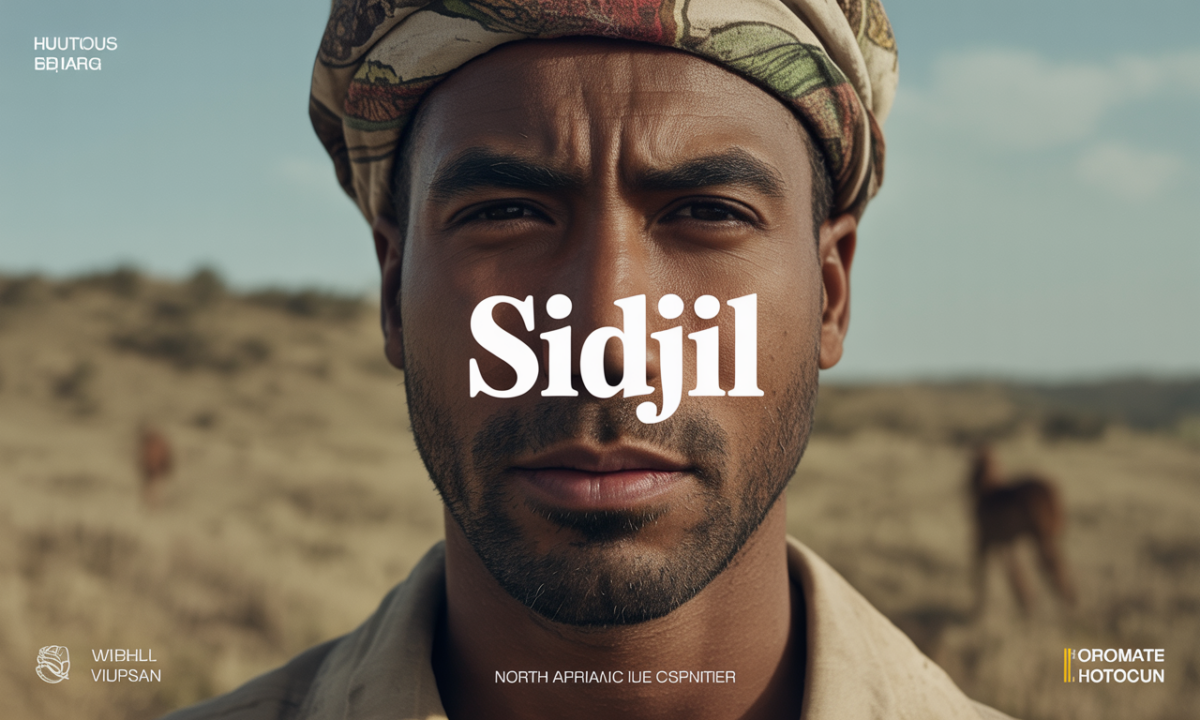
Does the name Sidjil sound familiar to you? I’ve heard it several times in discussions about North Africa, and it has always intrigued me. It’s not just a word, but a somewhat mysterious piece of history, you see?
I did some digging, and frankly, Sidjil is not easily pin down. It’s a name that carries significant cultural weight, especially among the Berbers, or rather the Imazighen. A real dive into a past rich in traditions.
What struck me is how much this term is more than just a simple label. It’s a living link to an ancient culture, full of symbols and meanings that reveal themselves through stories. I found that fascinating.
This name, ultimately, spans the ages and regions of the Maghreb, somewhat like a silent witness to the civilizations that have succeeded one another. Sidjil seems a bit like a secret to share, a heritage worth exploring.
Anyway, I thought it was really necessary to dig into this name to understand what it hides behind its mysterious sound. Come on, follow me, let’s discover Sidjil!
What is the origin and meaning of the last name Sidjil?
So, to begin with, Sidjil is deeply rooted in the Amazigh culture, those Berber peoples of North Africa. The word itself resonates like a sign of ancient history, which would have traveled through the centuries and territories, from the southern Mediterranean to the Sahara. Some believe this name designates a particular type of heritage or a unique concept of transmission among the Imazighen.
It is based on a mixed oral and written tradition, with roots in the Tamazight language and links to the Tifinagh script, long before the region was as we know it today. Historians place this name in a world where Berber tribes organized themselves, told their stories, and transmitted their knowledge. So, far from being a simple last name, Sidjil represents a cultural heritage.
The name might also have roots in symbolic practices or objects. But as often when exploring names so ancient, there are several hypotheses without ever being able to decide definitively. In any case, Sidjil intrigues by its intertwining of language, history, and identity.
The meaning of the last name Sidjil
I admit the exact meaning of Sidjil is a bit… unclear, but that’s also part of its charm. According to some linguists and specialists of Amazigh culture, Sidjil could symbolize an ancient contract, a kind of record or preservation of knowledge, even a testimony of an ancestral tradition.
This term would therefore be linked to the idea of transmission, of immaterial heritage, somewhat like a spiritual seal or an “act” that crosses generations. You get the idea? It’s not just a name you carry, but a link with deep values and a often unknown past.
It’s fascinating to think that carrying the name Sidjil is somewhat like carrying a form of cultural memory. This immaterial dimension goes beyond the purely family framework to touch collective identity.
The geographical distribution of the last name Sidjil around the world
Speaking of geography, Sidjil is obviously more common in regions connected to Amazigh culture, mainly in the Maghreb: Algeria, Morocco, and a bit in Tunisia. And it’s no coincidence, since that’s where the Imazighen have always lived.
I noticed that the name often appears in the south and center of Algeria, a sign that this tradition is well rooted there. Not surprising, because it’s an area where Berber culture is very much alive, with its languages, festivals, and artisanal know-how.
However, Sidjil is not just a local name, it has made some travels through the diaspora, notably in Europe with the many Maghreb communities settled in France or Belgium. The name keeps this mystery but also this intact cultural strength, even far from its lands of origin.
Variants and spellings of the last name Sidjil
An interesting thing is that Sidjil can be found in several forms, depending on dialectal variants and adaptations in writing. Sometimes, you see “Sijil” or even “Sidjel”. This is not rare, especially for names passed down orally before Amazigh languages were largely written.
The transcription of the Tamazight language into Latin or Arabic characters plays a big role, and old archives also show different writings depending on regions or eras. It’s a bit like when you take a first name and depending on the country, it’s written slightly differently.
So, if you are looking for your roots or trying to trace Sidjil in a genealogy tree, be sure to also search with these variants, it might help you not miss precious clues.
Famous personalities bearing the last name Sidjil
As for personalities, Sidjil is not yet in the big headlines of international stars, but that doesn’t mean it lacks remarkable figures. For example, some creators and artisans of Amazigh culture proudly bear this name and are engaged in preserving ancestral know-how.
I also saw emerging activists and artists using this name to highlight their cultural heritage. It’s a way to show that Sidjil, even if it’s not a media blockbuster, represents a living force, a continuity between past and present.
Ideas for genealogical research around the name Sidjil
If you have Sidjil in your tree, one simple tip: start by exploring the Amazigh regions of the Maghreb. Local archives, family oral traditions, and even objects passed down within families are sometimes treasures for tracing your history.
Don’t underestimate the wealth of museums and cultural centers dedicated to the Berbers, which often have unique documents and collections. And then, as with any genealogical research, word of mouth remains precious. You could discover incredible anecdotes from the older members of your family.
A few commented statistics on the last name Sidjil
The crazy thing is that Sidjil remains a rare name, not very common but full of meaning. In 2025, it does not appear among the most common last names, which gives it a somewhat exclusive air, almost elitist in its cultural rooting.
This rarity clearly reflects the profile of Amazigh populations who, despite their importance, remain minorities in some countries, and have long been on the margins of national narratives. Today, however, there is increasing recognition, for example through policies promoting Berber languages and cultures.
If you bear this name, know that you belong to a group carrying a very precious cultural wealth, and that the movement to put the Berbers back in the spotlight is underway.